Skip to content

Fear, Dreams, and Art

Overcoming Fear

Have you ever wanted to act but felt unable to move?

In creative terms, the artist faces the cosmic fear of unbearable blankness. Fear paralyzes the hand before it can make the first mark, and ties the mind into loops.

Our hand is frozen, hovering over the empty page. Such a tabula rasa should offer unrestricted opportunity, but deciding among infinite choices feels, and probably is, impossible.

A child would fill the pages with scribbles; but we are no longer the children we once were. We are supposedly mature beings with well-developed fight or flight mechanisms. In this case, there is no one to fight, though we may feel frustrated and angry. There is nowhere to flee. After all, we chose to become artists. That leaves one available option: to freeze.
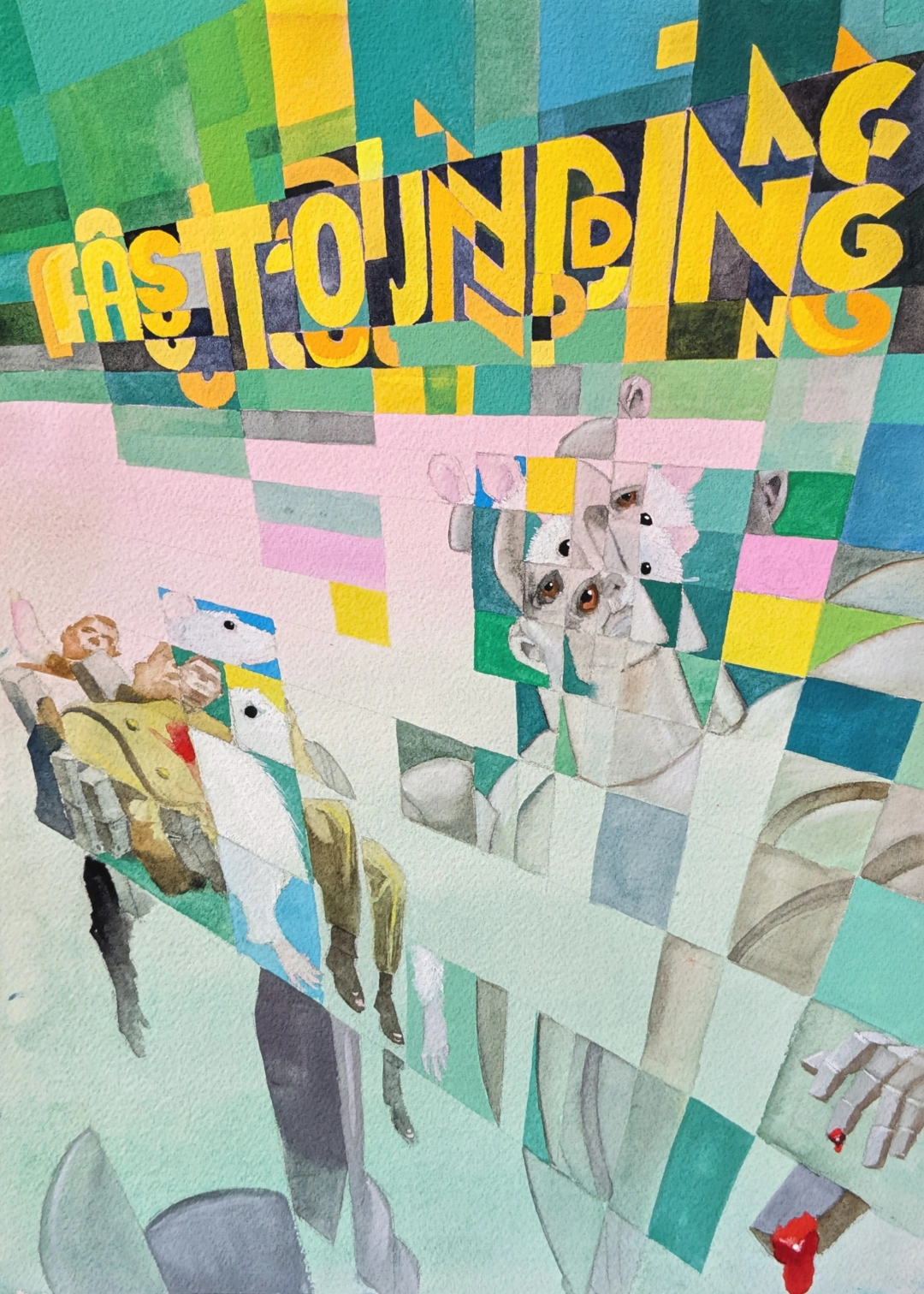
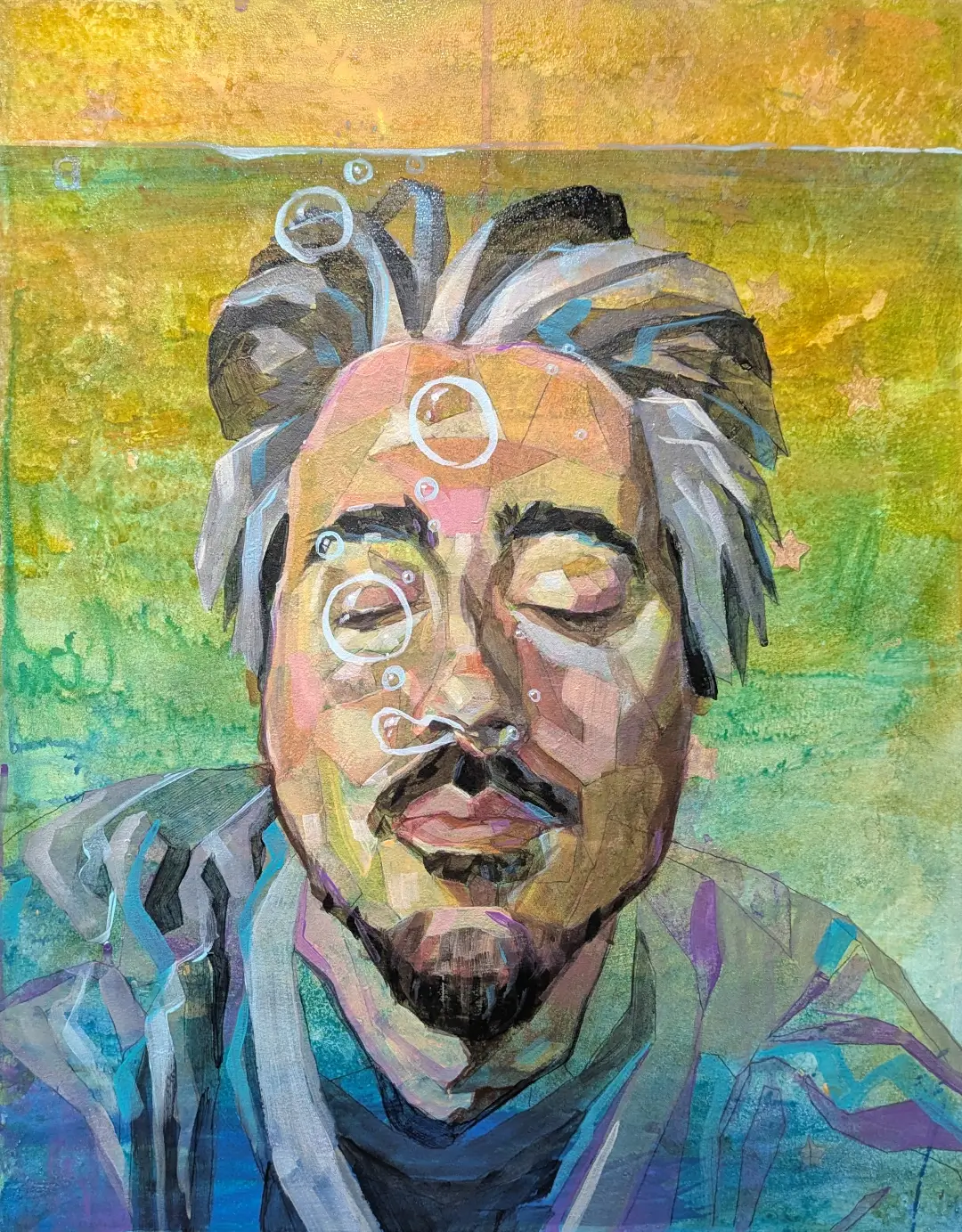
For me, this is the most difficult part of being an artist and a human being. What if I act and make the wrong mark? What if authenticity only brings rejection?

Dealing with fear works its way into my art in many subtle ways. I've come to believe that authenticity is an anathema to fear. Personal authenticity fosters fearlessness. So, my hope is that my art and my presence in some way might inspire authenticity in the world.

In a way, I have to have faith that this is somehow true, because there are no definite paths to achieving this.

I'm underwater but must believe that I will breathe.

The Role of Dreams

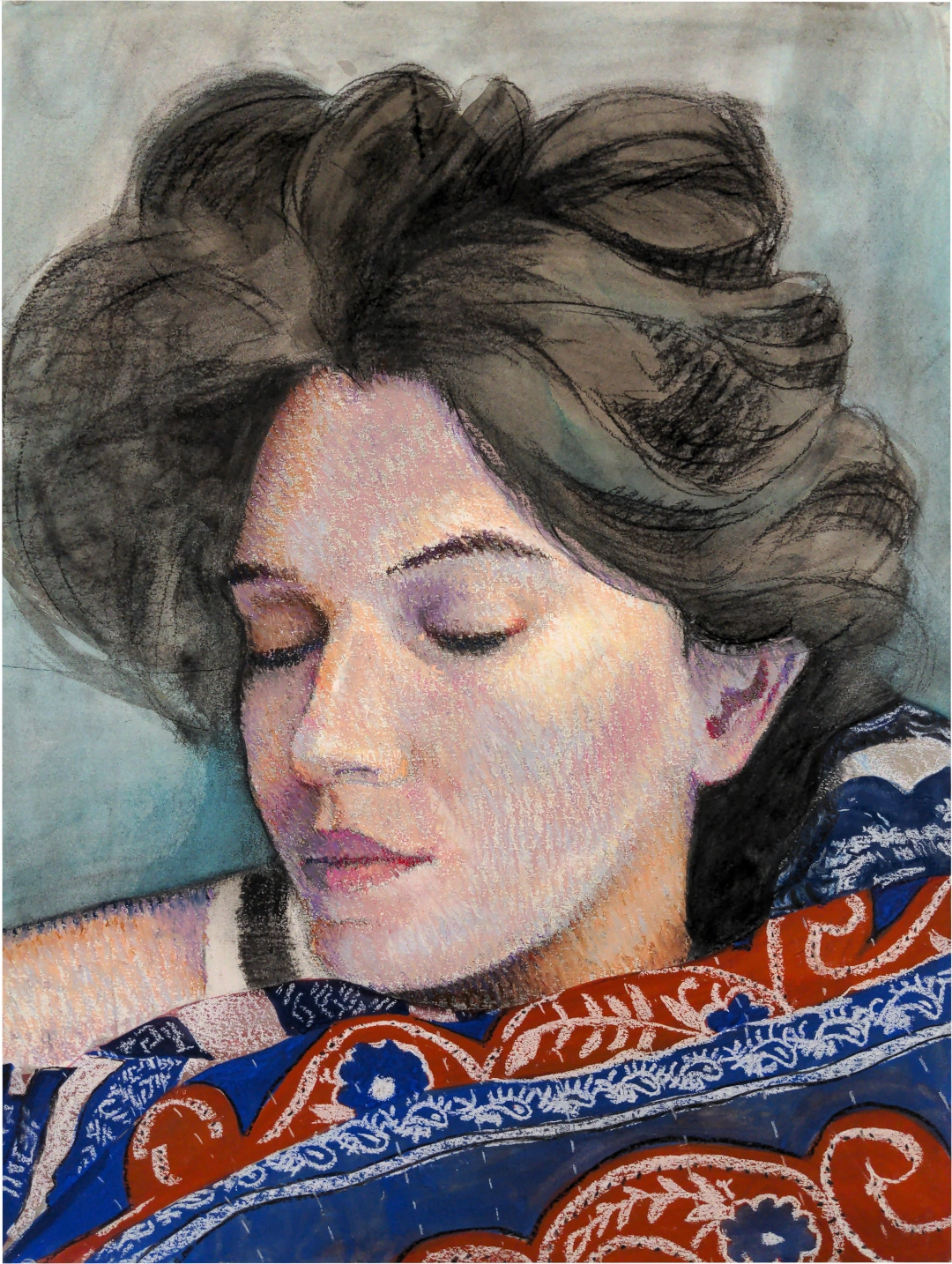
In dreams, my emotions and thoughts flow much more easily than in waking life. I prefer dreaming because fear and anxiety are not the primary guiding emotions in a non-deterministic reality. Sleeping, my mental pathways open to mystical truths.

Dreaming, I experience new or alternate realities that seem to persist in some way even between nights. One region is shared commonly among modern dreamers, the so-called 'Mall World.' This dreamspace is an essentialized public space, combining malls, universities, airports, food courts, public restrooms (which are often the most disturbingly disjointed spaces), all combined into one expansive compound.

The dream world is, however, highly personal as well, recreating remembered spaces like childhood homes and schools, or the forest I used to play in. These memory-places are connected by an unreal yet consistent network of paths and roads which I can recall only in a deeply relaxed state.

However, I rarely depict dream imagery. To me, the specifics of dream imagery are less important than the underlying feelings and truths that these images provide access to. I would like my artwork to embody these things, rather than act as a simple documentary like a dream journal.

Transrealism

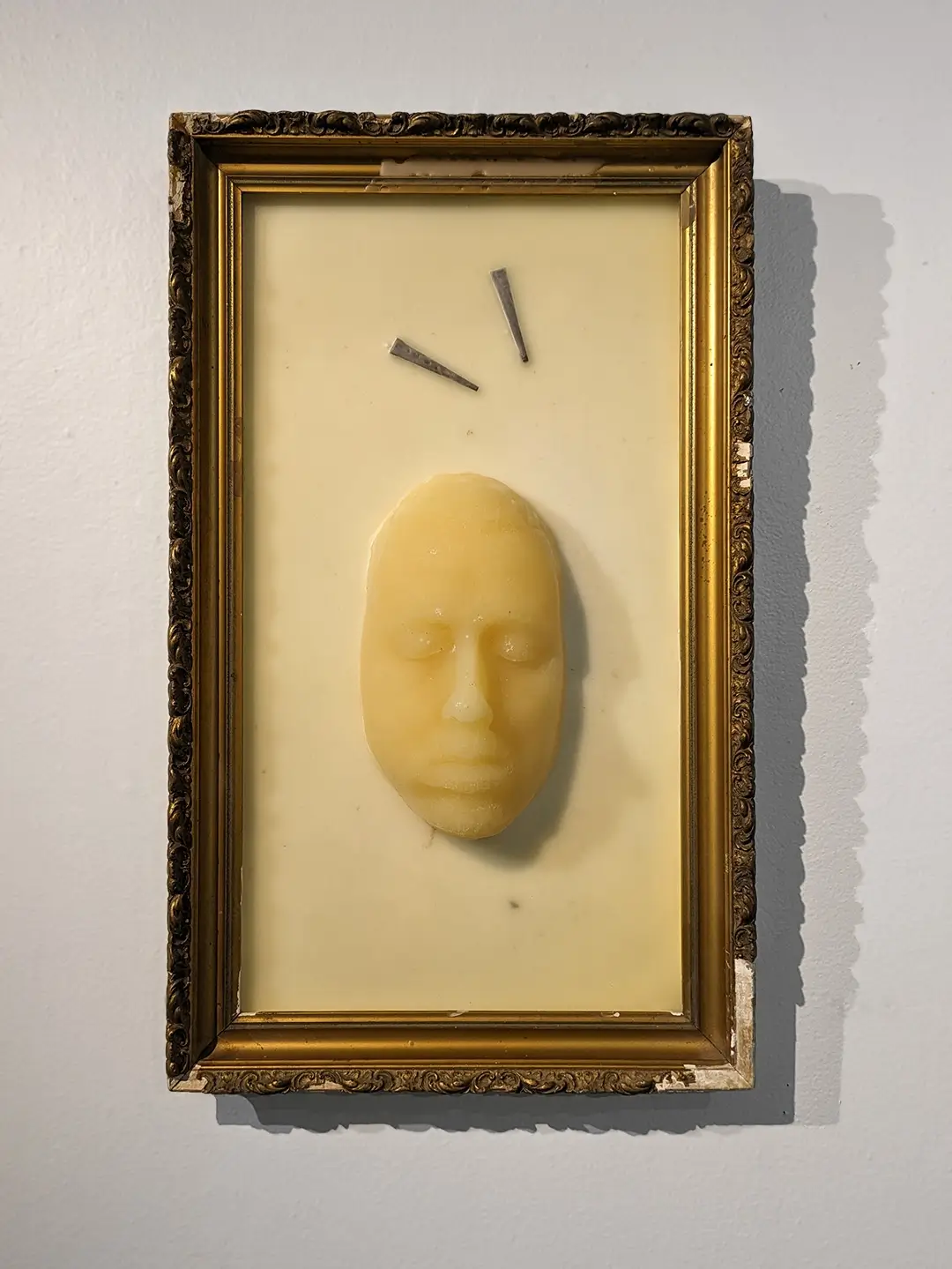
This desire of embodiment is why I developed the concept of the 'transreal object.' Something that is transreal exists simultaneously in different realities. A transreal object is not bound by time. It can exist both in the unconscious mind and our waking world at once.

At first, I thought these transreal objects had to be three-dimensional. But I was being overly semantic. For my purposes, an object really refers to any particular thing that has the ability to exist in waking life.

The key to using transrealism as a guiding principle is to wield it as a scale on which to weigh the work as I create it. Does the work truly embody that aspect of my internal world I am trying to extend into life, or is it simply a pastiche of my interests and influences? If the soul of the artwork weighs more than a feather, it cannot get into heaven.

Production & Faith

Of course, perfect transrealism is impossible. The medium always shapes the message.

But this is why art requires one to overcome fear. There are no guarantees. In fact, you are guaranteed to fail. This is why a certain degree of faith is required.

To overcome the paralysis. To embody truths. To breathe without air.